
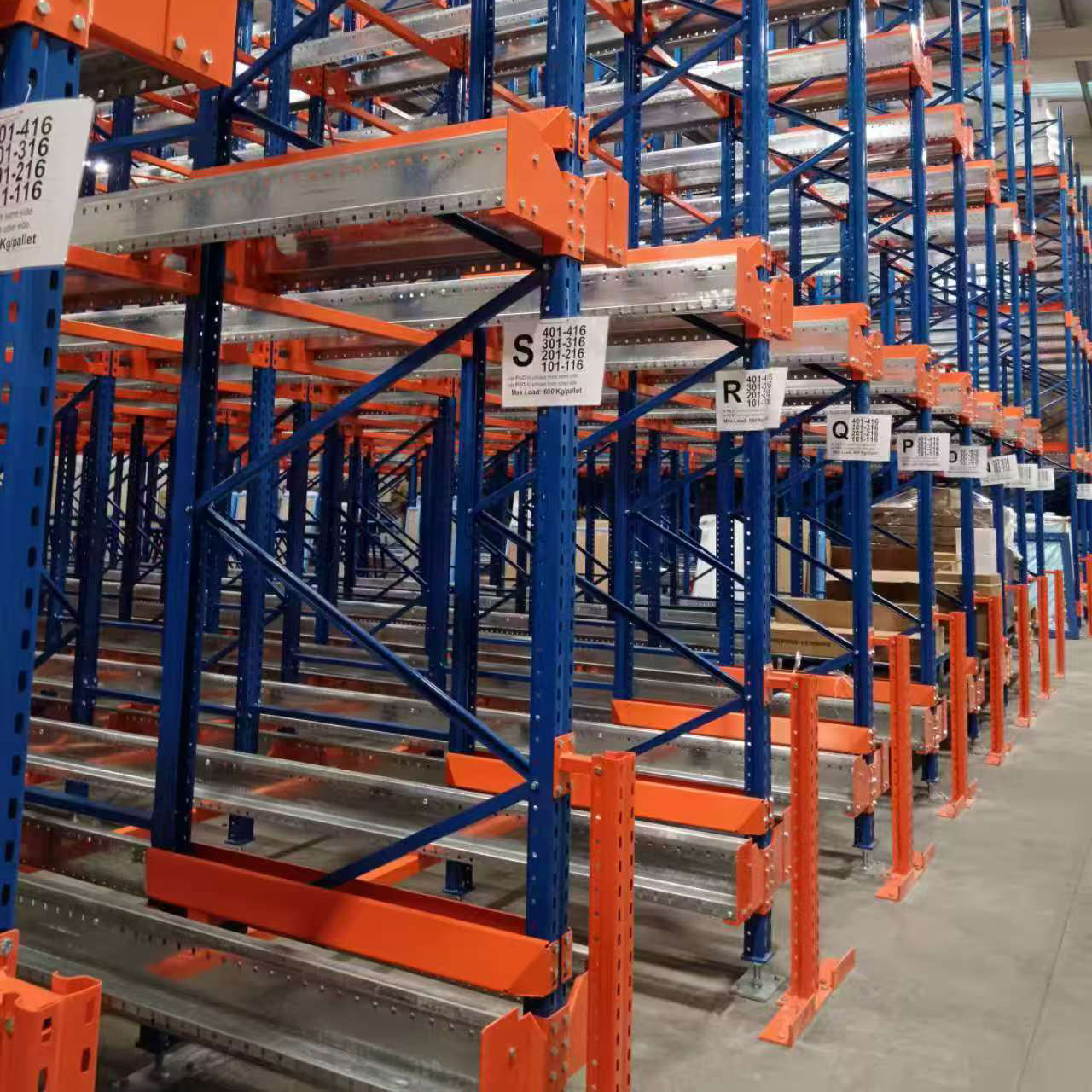
Like many turning points in life, this one started by accident.
I was idly browsing Alibaba, looking for something painfully ordinary — racking protectors — when a small advert tucked between the listings caught my eye:
“Clustered Warehouse System — High Density Storage Solution.”
I almost scrolled past it. But curiosity, that persistent troublemaker, got the better of me. I clicked.
The moment I saw the diagrams, I froze.
A typical warehouse, as I knew too well, was designed like a city built for trucks — neat rows of racking, wide aisles, and generous driving lanes. Practical, yes. Efficient? Hardly. More than half the floor space was just… air.
This new “clustered” system turned that logic upside down.
No aisles, no wasted space. Racks pressed close together, and automated shuttles moved pallets in and out with the precision of a mechanical ballet.
Suddenly, 80% of the floor could actually be used for storage.
I stared at the screen for a long time, thinking, This could work.
Instead of paying for a bigger warehouse, maybe I could make a smaller one smarter.
Then reality arrived, as it always does, with its endless list of practical questions:
How reliable is it?
Can it handle 1,000+ SKUs without chaos?
What’s the real cost?
Will it demand new software, new staff, new headaches?
The questions multiplied faster than answers could form. And so, in my usual fashion, I decided the best way to find out was simply to go see it for myself.
I contacted two suppliers located near Nanjing, China — both claiming expertise in automated racking systems — and booked my trip.
When I finally set foot in their factories, I realised I had underestimated what I was walking into. The scale of the workshops was nothing short of monumental.
Next Chapter: The Massive Workshop
to follow my BSS journey — from panic to plan, and from plan to practice.
Leave a Reply