
Category: The BSS Journey
-
Chapter 28. The Tapo Cameras
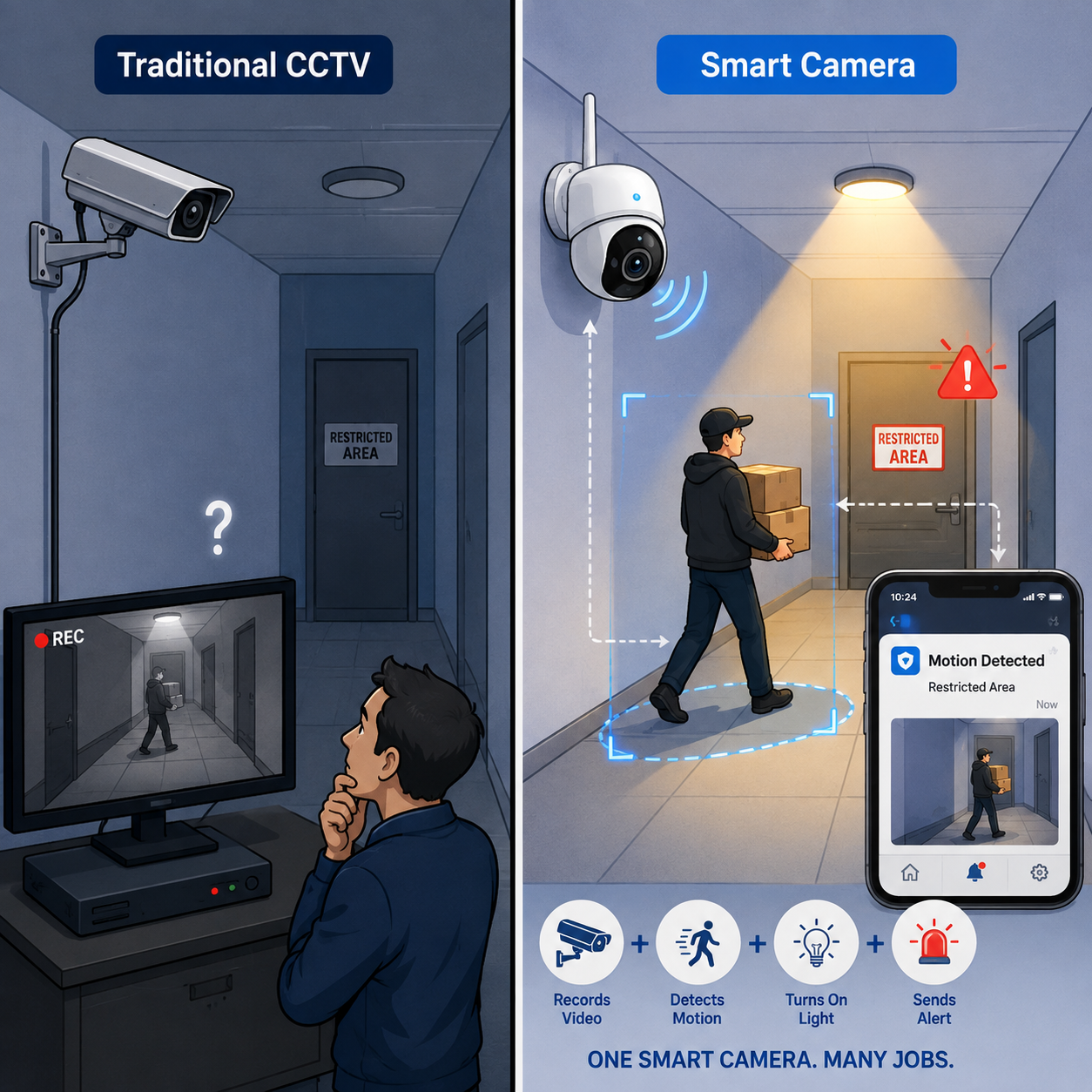
Choosing Tapo cameras was not a casual decision. Smart Cameras: Killing Two Birds with One Stone From the very beginning, I wanted our cameras to do two jobs: Traditional CCTV is very good at the first. You can watch live video, record it, and play it back later. But trying to use the camera as…
-
Chapter 27. The Local Ubuntu Server
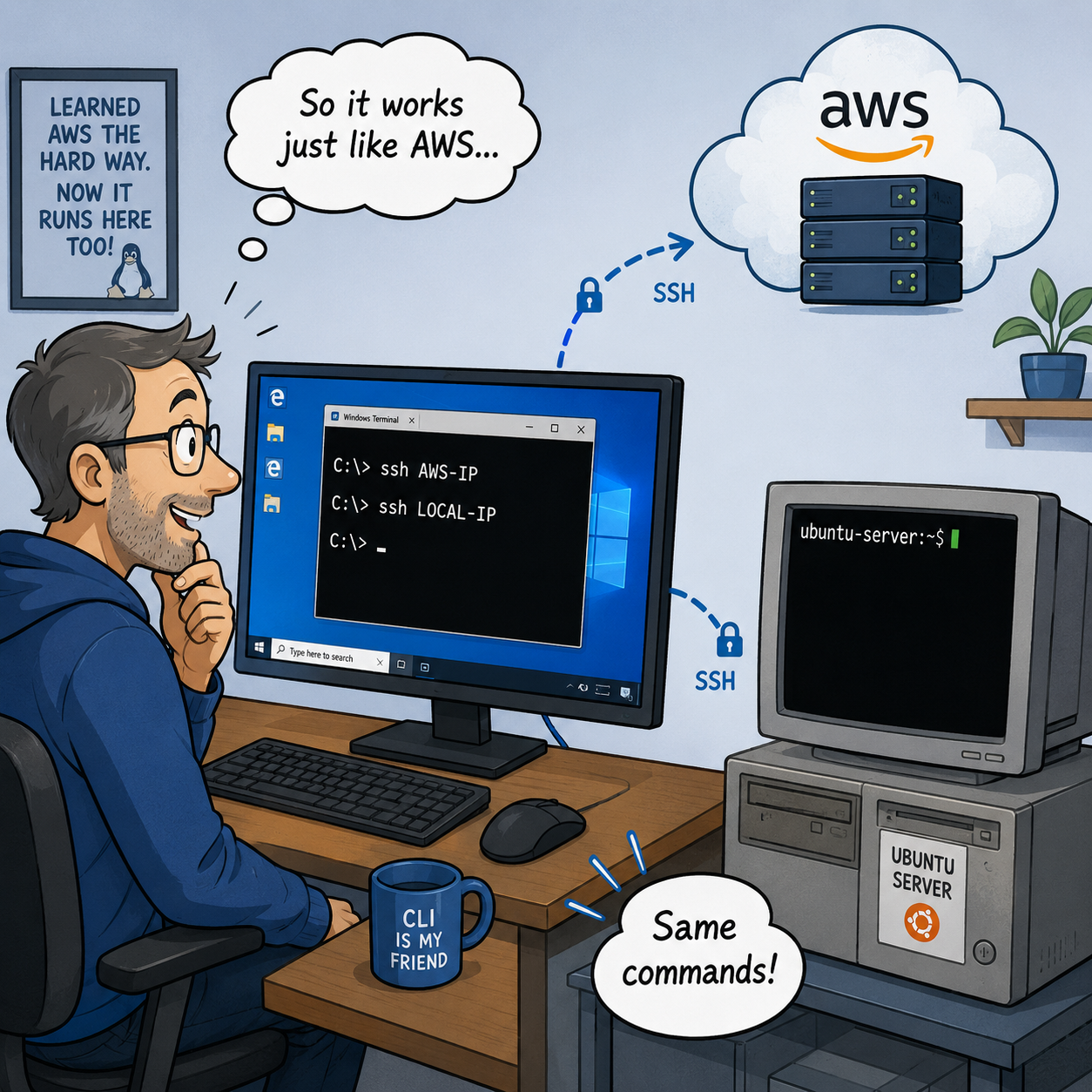
When I graduated from university in 1996, I used to build my own PCs from components. Back then, the operating system usually came on a CD — later a DVD — which you could use to boot up a completely empty machine and install Windows. A few years later, after I started my own business…
-
Chapter 26. How We Solved the Time Delay of the Cloud System
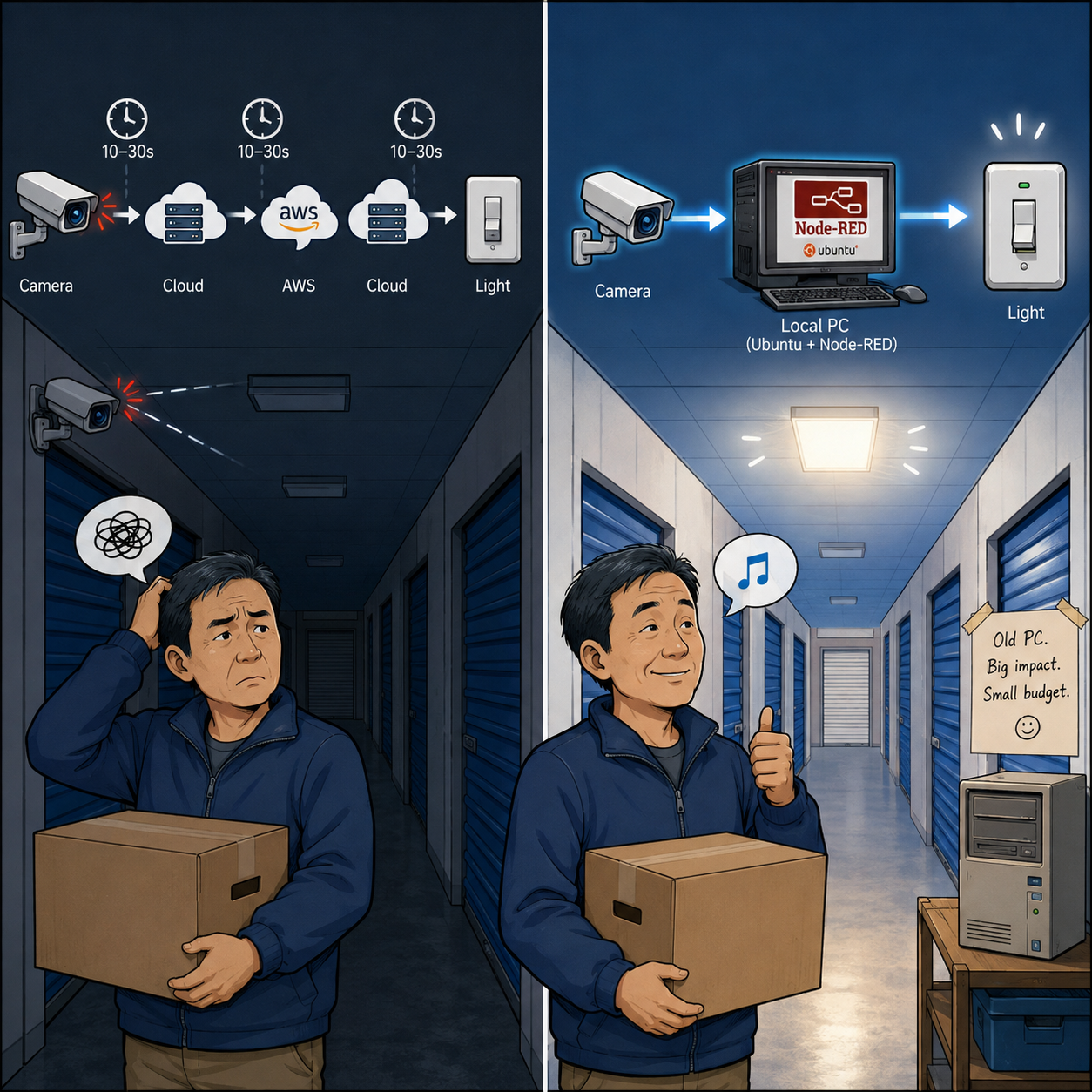
In the last chapter, I mentioned a serious problem with the Tuya + AWS cloud control system: time delay. The smart cameras could detect movement.The smart switches could turn lights on.The cloud logic could connect them. But sometimes there was a delay. Sometimes 10 seconds.Sometimes 30 seconds.Occasionally even longer. At home, this was annoying. In…
-
Chapter 25. The Wicket Door with TTLock
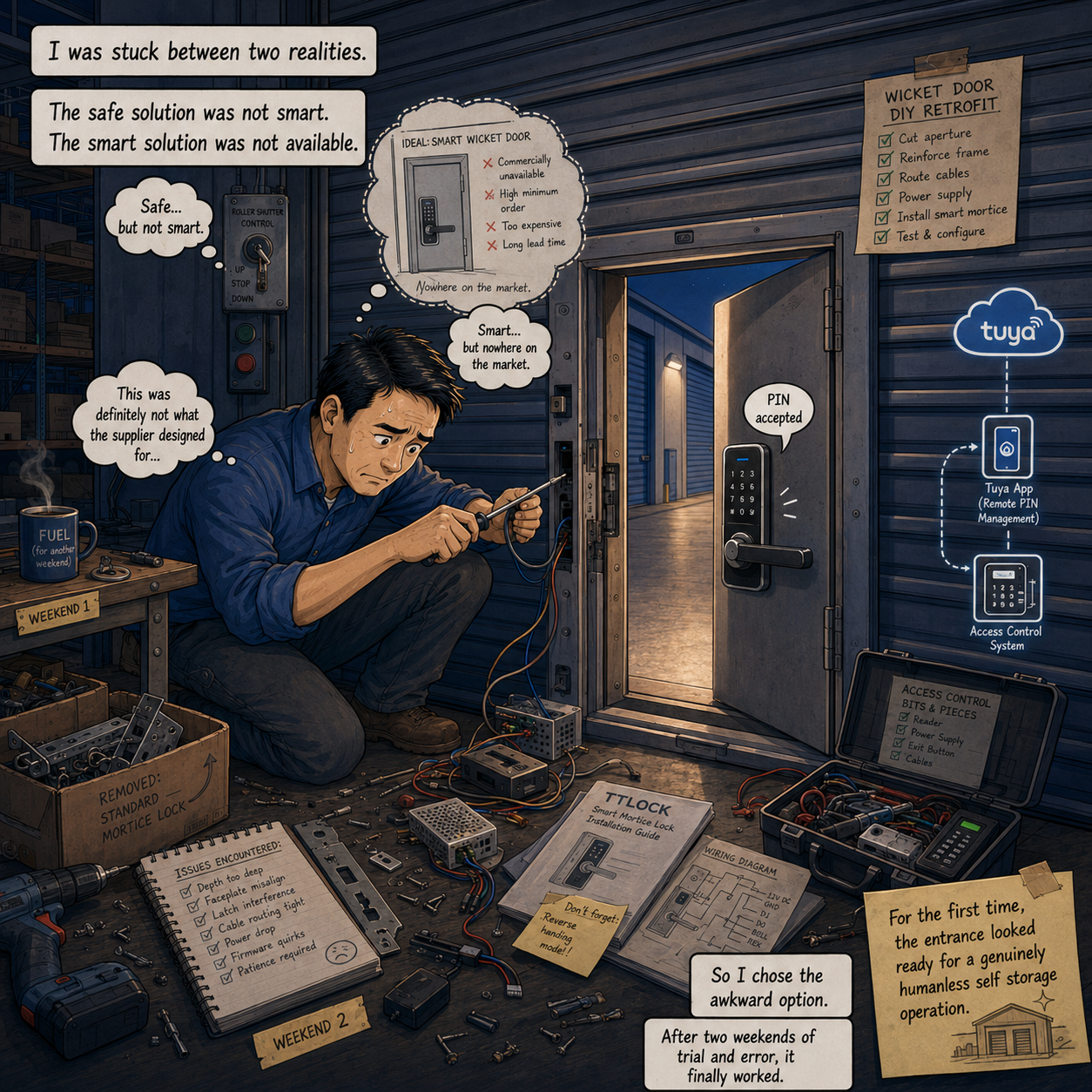
A wicket door is a small pedestrian door built into a larger industrial door — usually a roller shutter or sectional overhead door. You see them quite often in commercial buildings. During working hours, the main roller shutter can be fully opened for deliveries. At other times, people can simply walk through the small wicket…
-
Chapter 24. Why I Picked TTLock for User Access Control
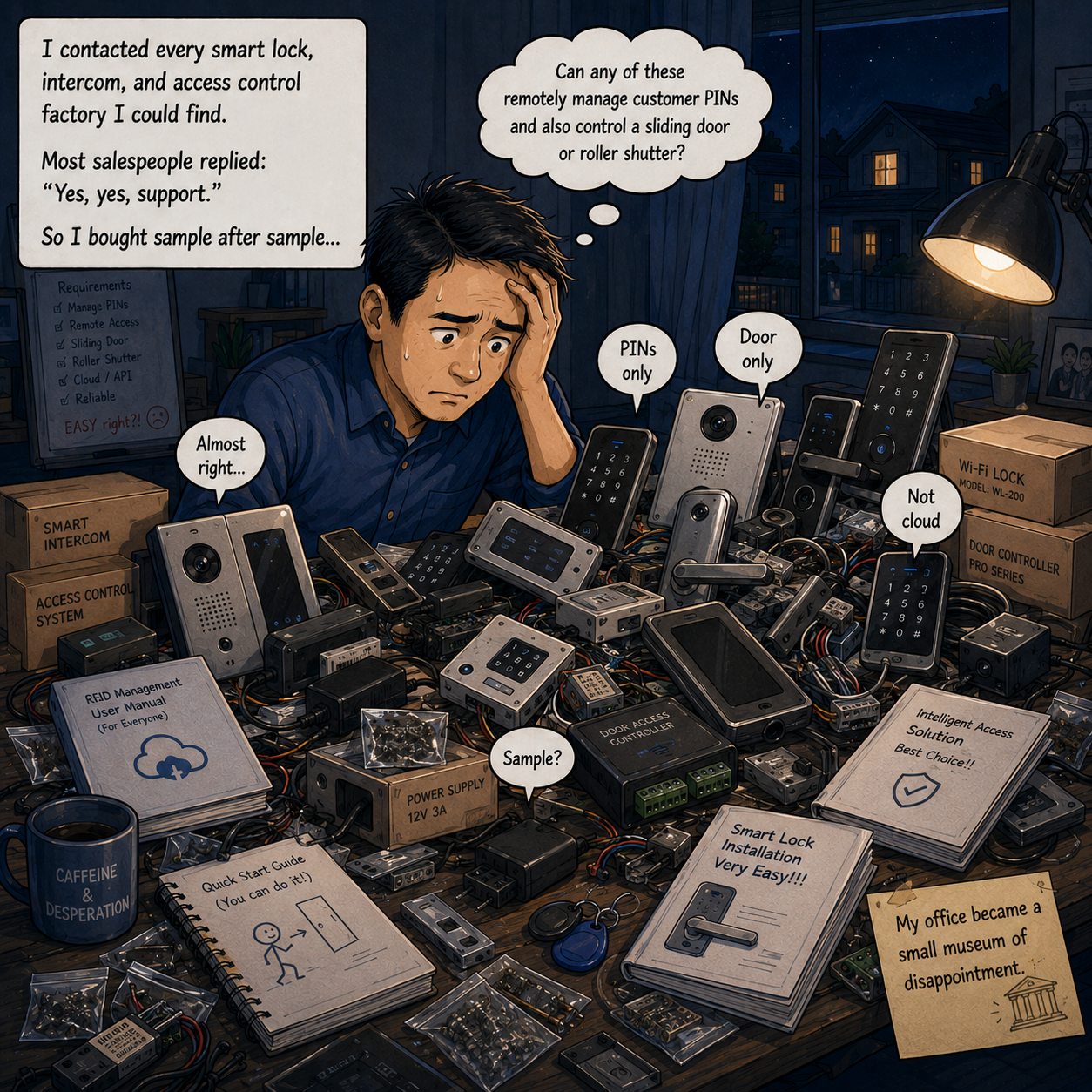
So I was half way into my BSS Journey, and got stuck between two almost-right solutions. One could open the door, but couldn’t manage users properly.The other could manage users, but couldn’t open the door I needed. It felt like buying a car where one model had an engine but no steering wheel, while the…
-
Chapter 23. The Broken Cloud Logic
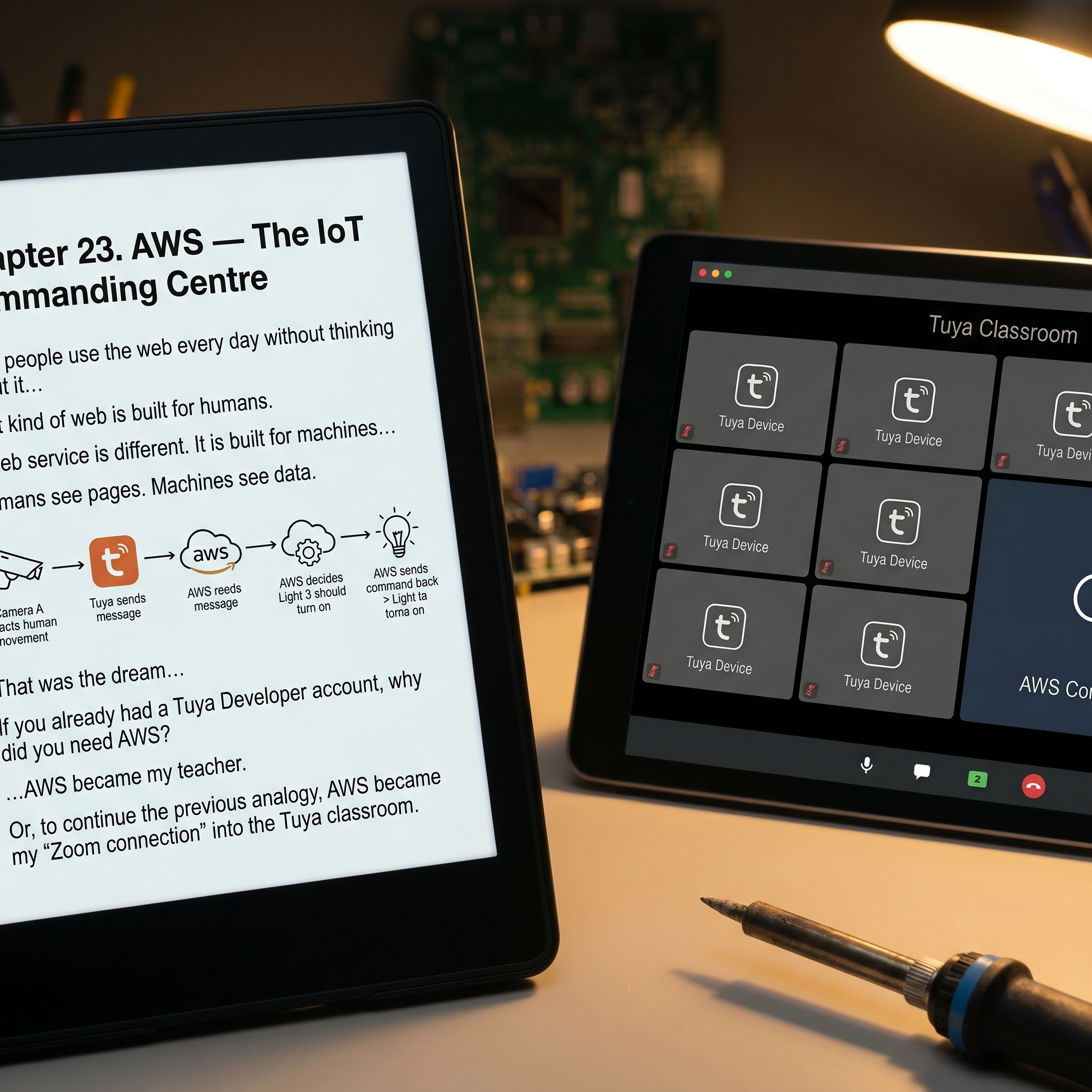
Part 4. AWS — The IoT Commanding Centre AWS – Amazon Web Service can be confusing. Most people hear “web” and think of websites — the things we visit every day: BBC News, Amazon, YouTube, or a self storage booking page. Most people use the web every day without thinking about it. We open a…
-
Chapter 22. The Broken Cloud Logic
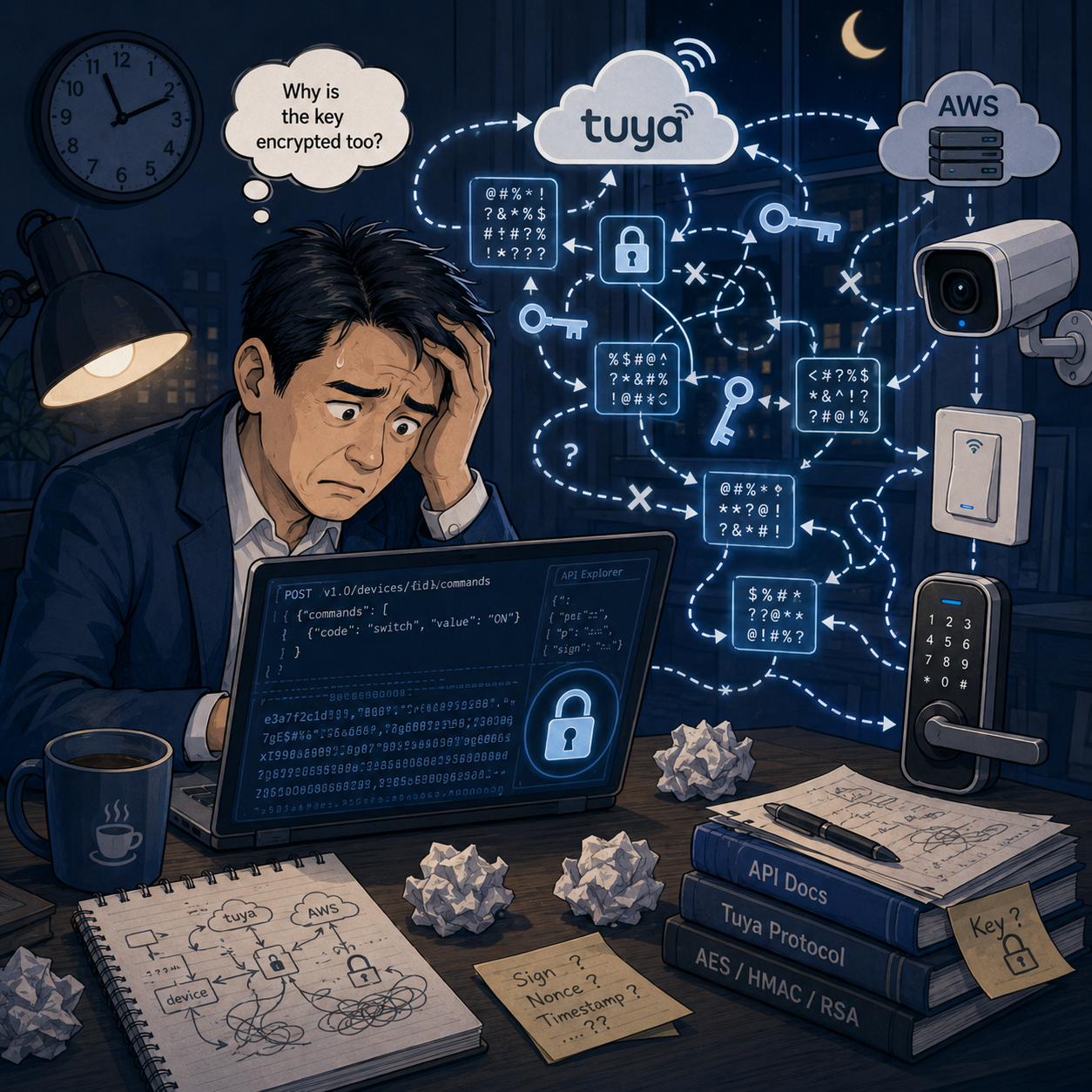
Part 3: The Struggle with Tuya Encryption As I mentioned in the last chapter, I needed to build my own “Zoom connection” to remotely monitor and control the noisy classroom. But how? My programming knowledge went back to a one-year university course in 1992 — and even then, I spent less than six hours on…
-
Chapter 21. The Broken Cloud Logic
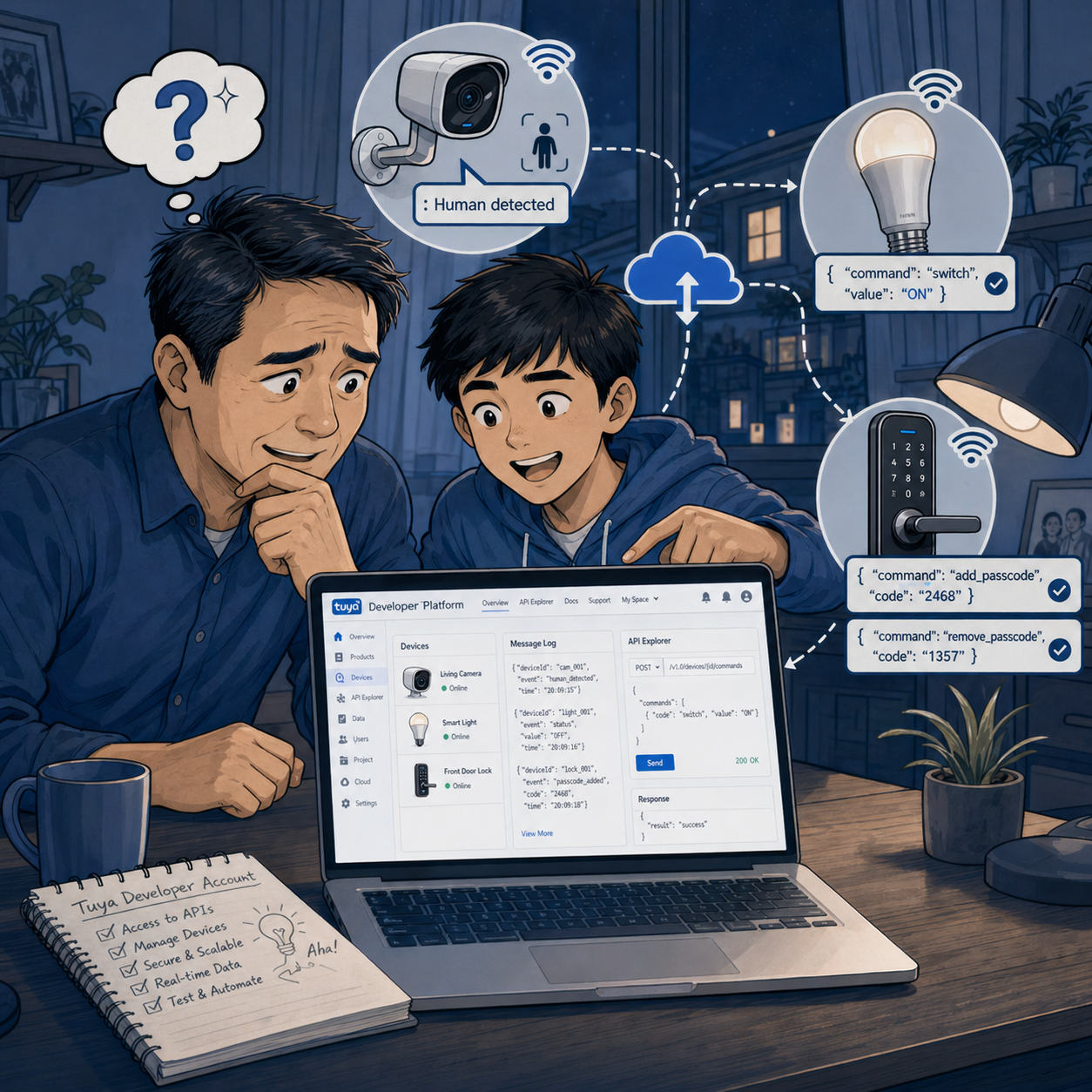
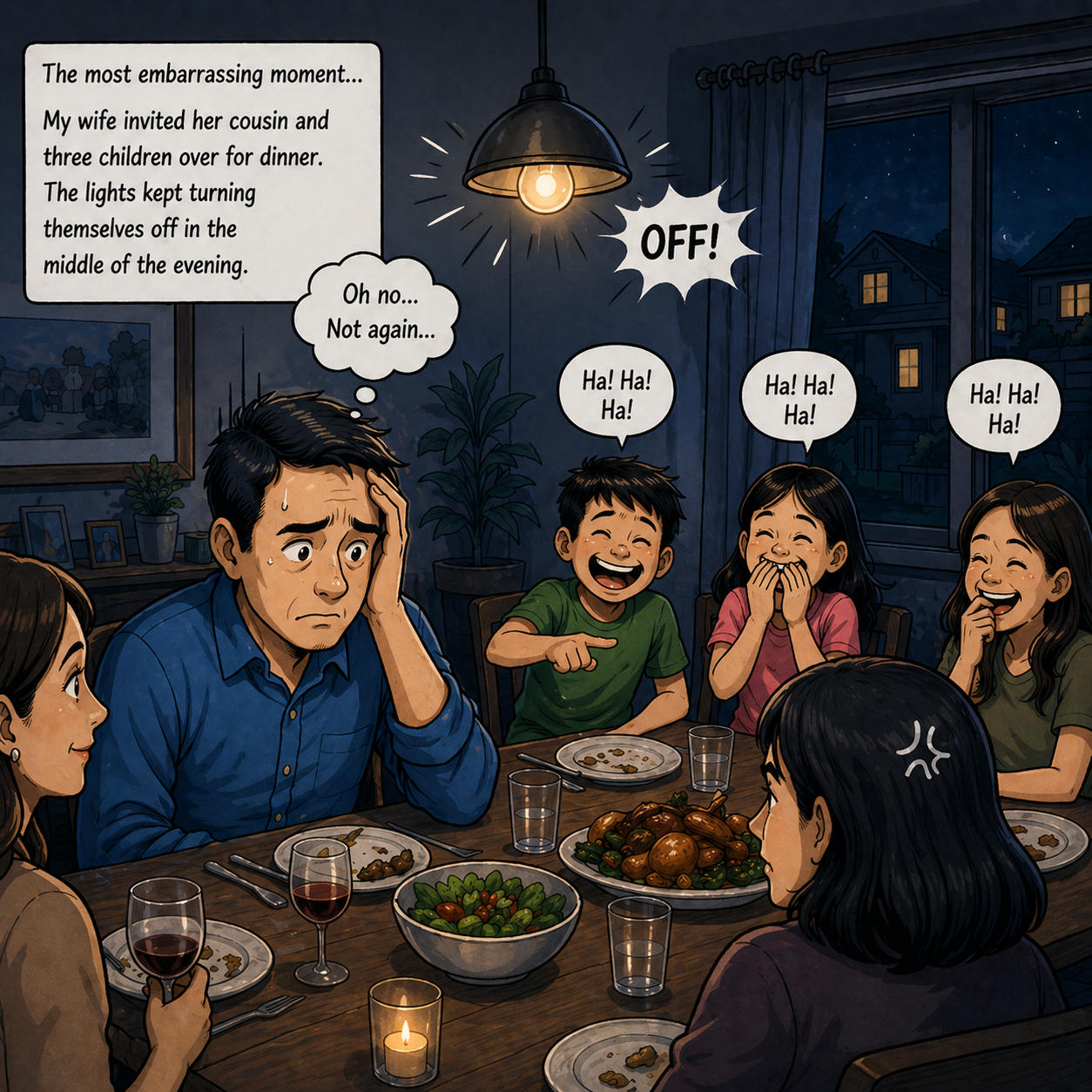
Part 2: What Is a Tuya Developer Account? and Why Do I Need It? After the embarrassing dinner incident in Chapter 20, I hesitated for a few more days. Eventually, I reached three conclusions. First, enough was enough. I was not paying the freelancer another penny. Second, finding another developer didn’t feel safe either. I…
-
Chapter 20. The Broken Cloud Logic
Part 1: The Light That Wouldn’t Stay On In Chapter 14, I mentioned that I decided to take a completely different approach to building an automated self-storage facility. Instead of traditional control systems, I planned to use smart cameras, smart lighting, and a cloud server to run everything. To make this work, I hired an…